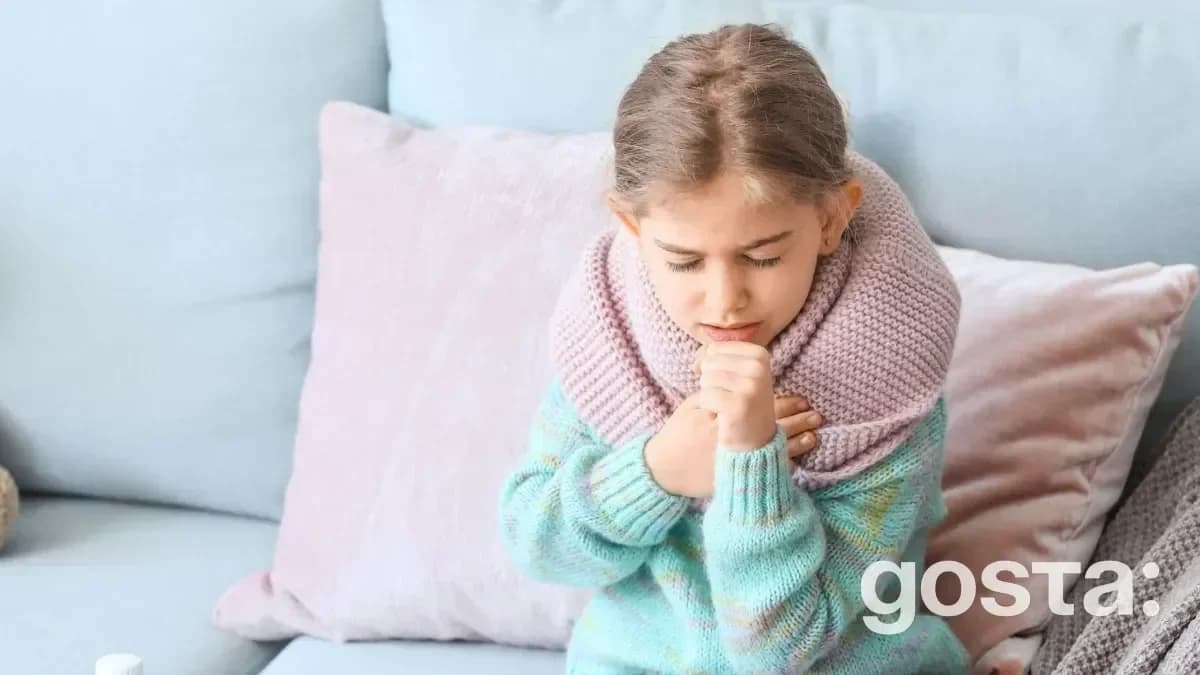
Whooping cough is a serious respiratory infection. It causes a severe cough that can last for several months. Whooping cough is particularly dangerous for infants. The disease is highly contagious. Simply being around an infected person is enough. The bacteria spread through the air – during coughing, sneezing, or talking. If there is a sick person in the room, the chances of getting infected are nearly 100% if you have no immunity.
Who Gets Whooping Cough?
The causative agent of whooping cough is the bacterium Bordetella pertussis. It enters the body and starts to act. It releases toxins that irritate the respiratory tract. This causes spasms, followed by severe coughing fits. These coughs can be so intense that a person may suffocate, vomit, or even break ribs from the strain.
Who is most likely to suffer from whooping cough? Children, especially those under one year old, are at high risk. They have weaker immune systems, making the disease more severe. However, adults can also get it. Often, they don't realize it's whooping cough and just think it's a persistent cough. But they can still infect others.
Whooping cough does not provide lifetime immunity. Even if you've had the disease or been vaccinated, immunity weakens after 5–10 years. So, it's possible to get infected again. However, it is not as dangerous for adults.
What Are the Symptoms of Whooping Cough?
Whooping cough develops gradually. At first, it seems like a common cold. But then, it turns into a real nightmare.
Stage one – mild (1-2 weeks):
- Runny nose, slightly elevated temperature.
- A mild cough that gradually becomes stronger.
- Nothing alarming, so people often don't pay much attention to it.
Stage two – the most severe (2-6 weeks):
- Intense coughing fits. The cough comes in waves, one after the other.
- After coughing, a noisy inhalation occurs (resembling a "rooster's crow").
- Vomiting, exhaustion, and even breathing cessation may occur.
Stage three – recovery (up to 2 months):
- The cough becomes less frequent.
- The body slowly recovers.
- However, residual coughing may persist for a while.
How to Recognize Whooping Cough?
Whooping cough can easily be confused with a common cold. But there are a few signs that can help you determine it is indeed whooping cough:
- The cough lasts longer than two weeks. If the runny nose is gone but the cough only gets worse, it's suspicious.
- Coughing fits come in waves. A person coughs uncontrollably, then takes a deep, wheezing breath. In children, this sound is very characteristic – like a "rooster's crow."
- The cough causes vomiting. This is particularly noticeable in children. After an attack, they may even have trouble breathing.
- Antibiotics and syrups do not help. No standard medications relieve the cough.
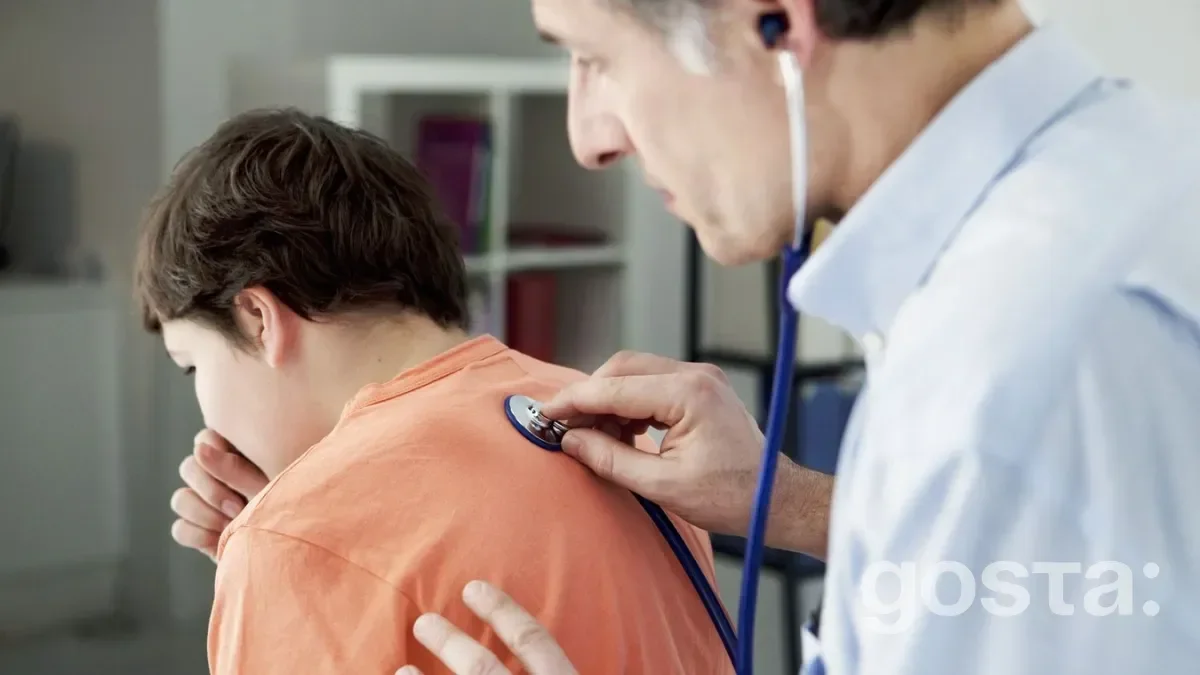
If you or your child have these symptoms, you need to see a doctor immediately! To diagnose whooping cough, the following will be necessary:
- A doctor's examination. A pediatrician or therapist may suspect whooping cough due to the characteristic cough.
- A swab from the nasopharynx. This is the main test to look for the Bordetella pertussis bacteria.
- A blood test. It will show an elevated white blood cell count, a sign of bacterial infection.
- PCR test. One of the most accurate diagnostic methods. It detects the DNA of the pathogen in nasal secretions.
The sooner the disease is detected, the easier it is to treat.
How to Treat Whooping Cough
Treatment depends on the age of the patient and the severity of the disease. If the child is under 6 months old, hospitalization is necessary. In infants, whooping cough can cause breathing cessation. Doctors monitor the baby's condition and provide assistance.
Antibiotics are only effective in the early stages. If the disease has just started, the doctor may prescribe antibiotics (azithromycin, clarithromycin). They will not relieve the cough but will stop the bacteria from multiplying.
What can you do at home if someone has whooping cough? The most important thing is to ensure proper care:
- Clean, moist air in the room. Dry air worsens the cough.
- Peace and minimal irritants. Loud sounds or emotional stress can trigger coughing fits.
- Fractional meals. Small portions of food to prevent vomiting.
- Plenty of fluids. Water, tea, and compotes help flush out toxins.
The cough may persist for a long time, even after treatment. But it is important not to panic – whooping cough will gradually subside.
Warning About Self-Treatment
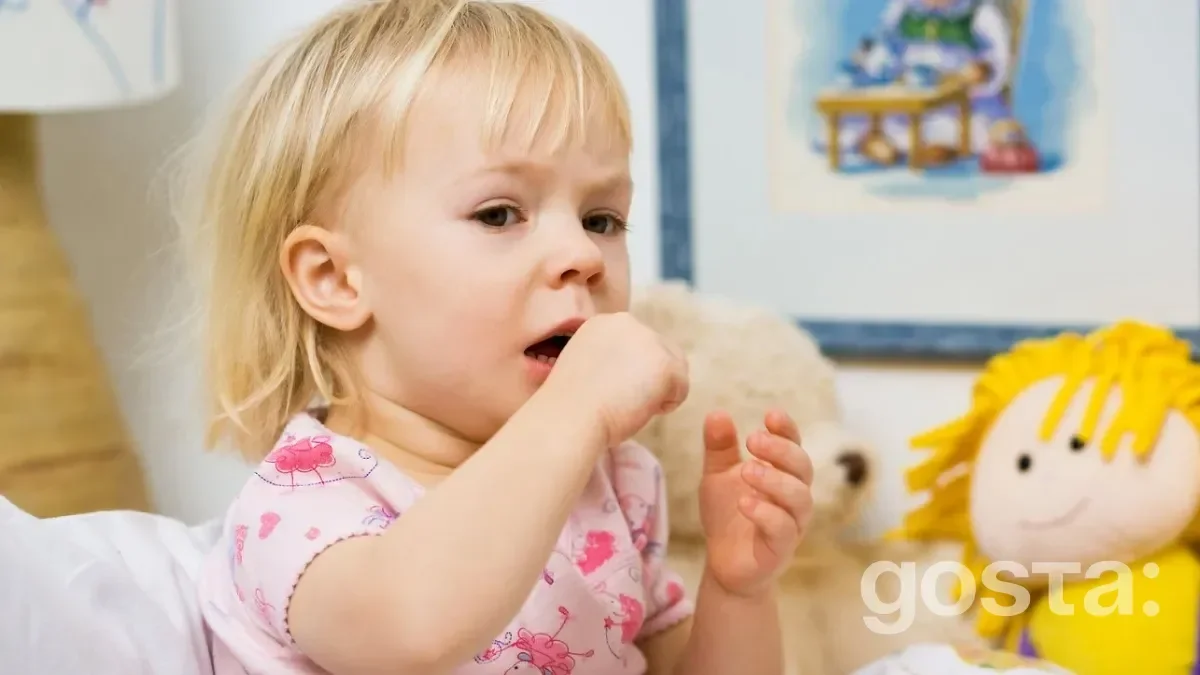
Whooping cough is a serious infectious disease that requires proper treatment under medical supervision. Self-medication or relying solely on home remedies can lead to complications, especially in children. Without appropriate therapy, whooping cough can cause breathing difficulties, pneumonia, or even lung damage.
Even if symptoms seem mild, it's essential to consult a doctor to confirm the diagnosis and determine the necessary treatment. Don't take risks with your health – follow professional medical advice.
How to Protect Yourself from Whooping Cough?
The only reliable protection is vaccination. It does not provide 100% protection but significantly reduces the risk of a severe course of the disease. The vaccination is part of the immunization schedule. It is given to children several times:
- At 2, 4, and 6 months – primary doses,
- At 18 months – a booster shot.
Then immunity gradually weakens. Therefore, at 6 years old, another vaccine is given, and in some countries, a booster vaccination is recommended during adolescence. Adults should also renew their immunity every 10 years. This is especially important for those working with children or having infants in the family.
When Should You See a Doctor?
If the cough lasts longer than two weeks and becomes paroxysmal – do not delay! You should see a doctor immediately. Call emergency services if:
- The child is suffocating or turning blue during a cough,
- After an attack, they cannot inhale,
- Seizures or loss of consciousness occur.
Whooping cough can be very dangerous, especially for young children. Don't take risks.
Why You Shouldn't Ignore Whooping Cough?
The cough can last up to 3 months. This exhausts the body, disrupts sleep, causes headaches, and even results in microtrauma. In children, complications such as pneumonia, seizures, and respiratory arrest can occur.
Adults tend to experience a milder form of the disease but can still infect infants or those with weakened immune systems.
To avoid dangerous consequences, it is important to:
- Get vaccinated,
- Seek medical help at the first signs of illness,
- Avoid contact with sick individuals.
Whooping Cough: Complications, Consequences, and How to Protect Yourself – Video
Whooping cough is a dangerous disease that carries the risk of complications. To learn more about the disease and its consequences, watch this video:
Conclusions
Whooping cough is not just a regular cough. It is a serious infection that can have severe consequences. The best way to protect yourself is vaccination. If the disease has already begun, it is crucial to see a doctor on time and follow recommendations.
Frequently Asked Questions
How to Distinguish Whooping Cough from a Common Cough?
Whooping cough is characterized by paroxysmal coughing fits. These come in waves, accompanied by a wheezing breath, and can cause vomiting. A common cough does not have these characteristics.
How to Check If You Have Whooping Cough?
You should see a doctor. The main diagnostic methods are: swab from the nasopharynx, PCR test, and blood test.
How Many Days Does Whooping Cough Last?
Whooping cough can last anywhere from 6 to 12 weeks. During this time, the patient goes through three stages of different symptoms.