
Apple Finally Unveiled a Foldable iPhone – But That Wasn't the Only Surprise of 2026
Apple Event 2026 brought the iPhone Duo, iPhone 18 Pro, Apple Watch Series 12, Ultra 4 and AirPods 5. Here are the prices, specs and biggest upgrades.

Contents14
- What Apple Announced at Apple Event 2026
- iPhone Duo Was the Biggest Announcement at Apple Event 2026
- iPhone 18 Pro Gets Upgrades Previous Generations Did Not Have
- A20 Pro Is One of the Biggest Internal Upgrades
- iPhone 18 Pro Max Sets a New Apple Battery-Life Record
- Dynamic Island Is Smaller
- iPhone 18 Pro vs. iPhone 17 Pro – Is the Upgrade Actually Big?
- How Much Storage Does iPhone 18 Pro Offer, and What Colors Are Available?
- Siri AI and iOS 27 Are a Major Part of the New iPhones
- Apple Watch Series 12 Now Checks Heart Rate Every 5 Seconds
- Apple Watch Series 12 vs. Series 11 – What Actually Changed?
- Apple Watch Ultra 4 Finally Passes the Two-Day Mark
- Apple Watch Ultra 4 vs. Ultra 3 – Where the Upgrade Matters More
- AirPods 5 May Be the Best-Value Upgrade From Apple Event 2026
Apple Event 2026 took place on September 9 and delivered one of the biggest changes to the iPhone lineup in years. Apple introduced its first foldable iPhone Duo, the iPhone 18 Pro and iPhone 18 Pro Max, Apple Watch Series 12, Apple Watch Ultra 4 and AirPods 5. If the two iPhone 18 Pro sizes are counted as one product family, that adds up to five major hardware launches.
The iPhone Duo naturally stole much of the attention. It folds in half, opens into a 7.6-inch internal display, supports two apps side by side and starts at $1,999. But the iPhone 18 Pro lineup received several major changes of its own: the main camera now has a physically variable aperture, A20 Pro moves to a 2nm process, and Apple rates the eSIM-only iPhone 18 Pro Max for up to 45 hours of video playback.
The new Apple Watches collect heart-rate data much more frequently, Ultra 4 finally moves beyond two full days of rated battery life, and AirPods 5 bring active noise cancellation to the $129 base model. That makes Apple Event 2026 relevant even if a new iPhone is not on your shopping list.
What Apple Announced at Apple Event 2026
Apple updated its smartphone, smartwatch and wireless-earbud lineups at the same event. The least expensive new device starts at $129, while the most expensive starts just one dollar short of $2,000.
The table below gives a quick overview of the biggest Apple Event 2026 announcements.
Product | Biggest Upgrade | US Starting Price | Release Date |
|---|---|---|---|
iPhone Duo | Apple's first foldable iPhone with two displays | $1,999 | October 23 |
iPhone 18 Pro | Variable aperture, A20 Pro, redesigned cooling | $1,199 | September 18 |
iPhone 18 Pro Max | Up to 45 hours of video playback on eSIM-only model | $1,299 | September 18 |
Apple Watch Series 12 | Health Sensing System, readiness score | $399 | September 18 |
Apple Watch Ultra 4 | Up to 50 hours of battery life | $799 | September 18 |
AirPods 5 | ANC included in the base model | $129 | September 18 |
These are Apple's official starting prices in the United States. They do not necessarily represent the final amount paid at checkout because sales tax varies by state and locality, while higher storage configurations and accessories cost extra.
Most of the new products go on sale September 18. The iPhone Duo arrives later, with preorders opening October 16 and sales beginning October 23.
iPhone Duo Was the Biggest Announcement at Apple Event 2026
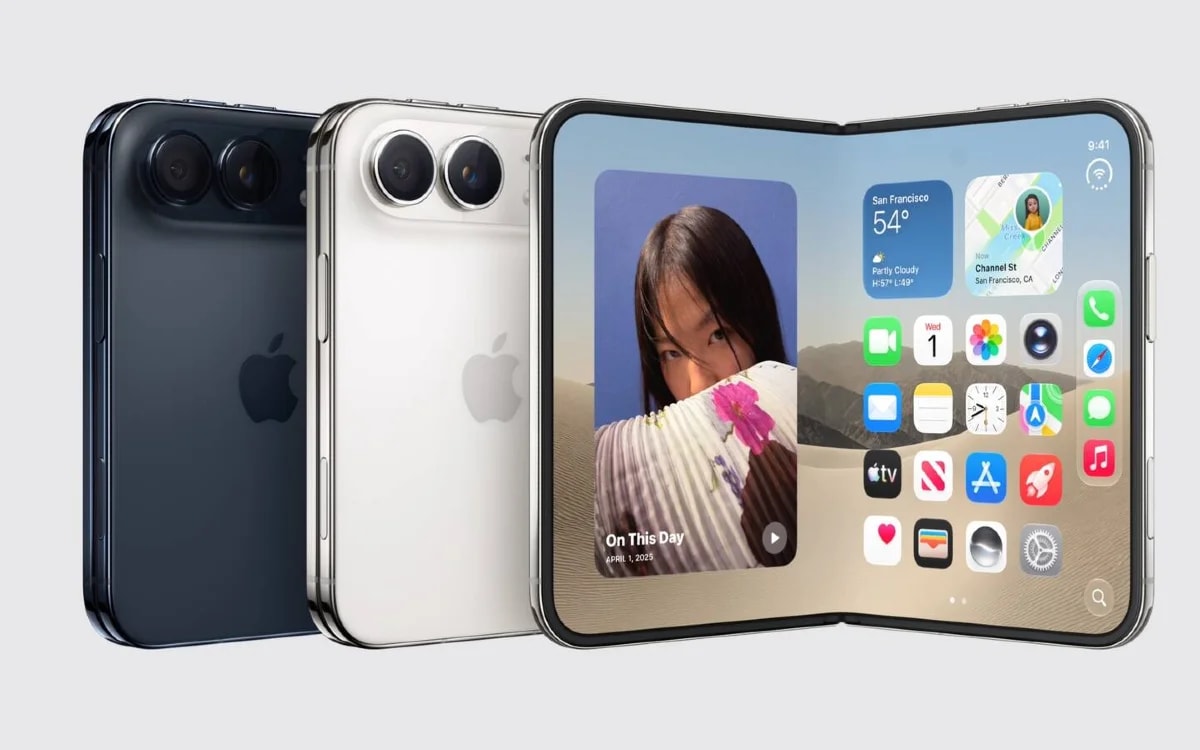
The iPhone Duo is the first foldable iPhone in Apple's history. Closed, it works as a compact smartphone with a roughly 5.4-inch cover display. Open it, and you get a 7.6-inch internal screen.
The inner display offers about 50% more screen area than the iPhone 18 Pro Max. At the same time, the cover screen provides roughly 90% of the usable display area of the iPhone 18 Pro, so you do not have to unfold the Duo every time you want to answer a message or check a notification.
That form factor is what separates iPhone Duo from every iPhone that came before it. It is not simply a larger Pro Max with a hinge – Apple is trying to create a different way to use an iPhone.
Two iPhone Duo Displays Change How the Phone Can Be Used
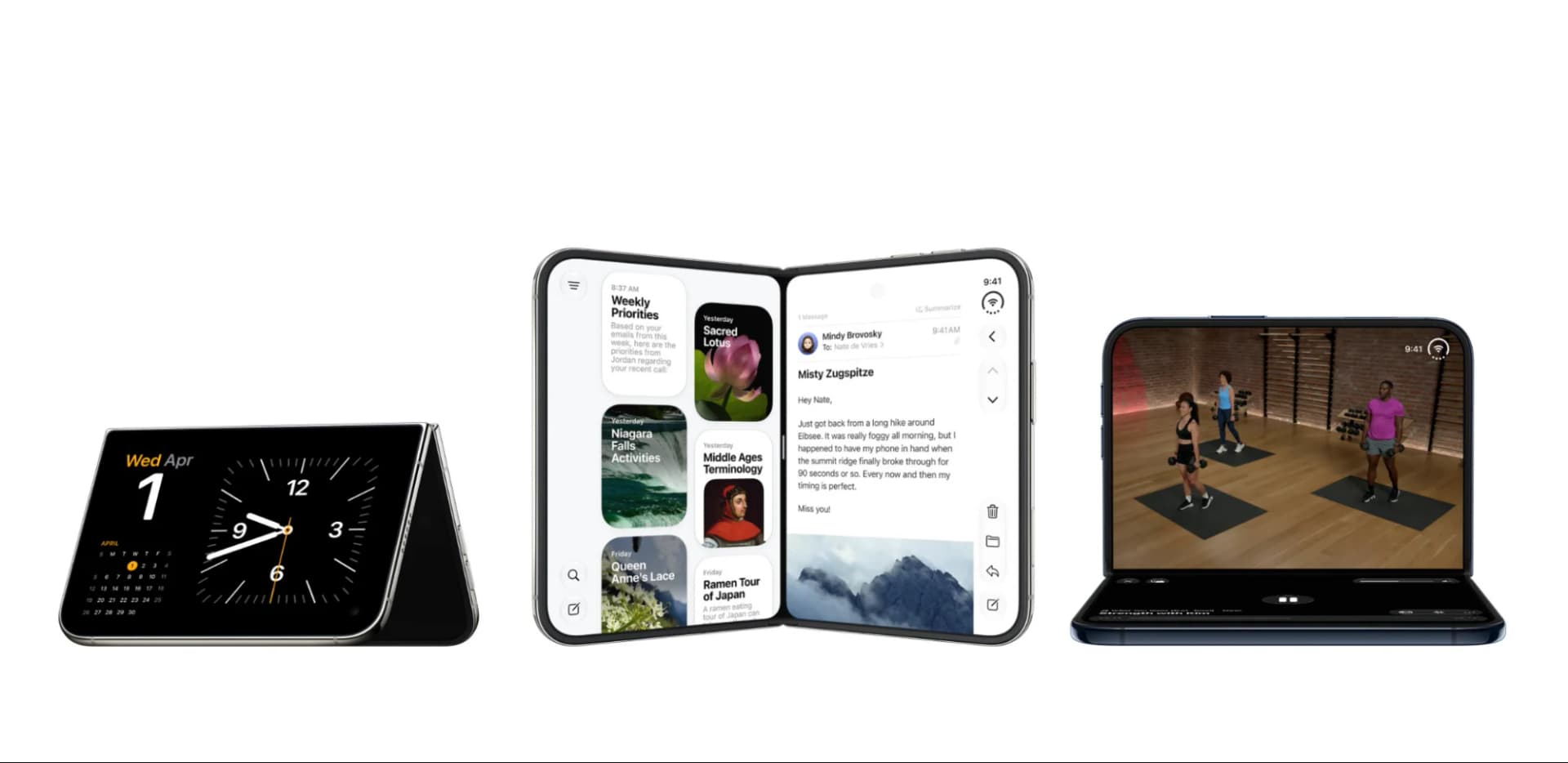
When closed, the iPhone Duo has a 5.4-inch Super Retina XDR display. Inside is a 7.6-inch foldable Super Retina XDR display. Both support ProMotion, Always-On functionality and outdoor peak brightness of up to 3,000 nits.
Apple uses the same aspect ratio across both displays. That matters because content can scale more naturally as the phone opens instead of forcing an app into a dramatically different shape every time the user switches screens.
The internal panel also uses a nanotexture surface designed to cut reflections and make the center crease less noticeable. Apple is not claiming that the crease has disappeared completely, however. Independent long-term testing will be needed to see how visible it becomes after thousands of folds.
iPhone Can Run Two Apps Side by Side for the First Time
The larger screen is not only for watching video. iOS 27 has been adapted specifically for the foldable format, and Split View allows two apps to run side by side on an iPhone for the first time.
Safari can stay open on one side while Messages, Notes or Siri AI runs on the other. Users can even open two windows from the same app, and frequently used app pairs can be saved for faster access later.
For email, spreadsheets, documents, shopping comparisons or reading, that creates a fundamentally different experience from simply buying a larger conventional iPhone.
The iPhone Duo Hinge Uses More Than 100 Components
The iPhone Duo is built from Grade 5 titanium, while its hinge contains more than 100 individual components. When the phone is open, the mechanism supports the center section of the flexible display, and magnets help secure the device when it is closed.
Ceramic Shield and Ceramic Shield 2 protect the exterior, while the body carries an IP68 rating. The flexible internal display uses its own protective surface, high-strength glass layers and a titanium support plate underneath.
That engineering matters more in a first-generation foldable than it does in a conventional phone. The $1,999 price is paying not only for a larger display but also for a far more mechanically complex device with moving parts whose long-term durability still needs to be proven in everyday use.
iPhone Duo Cameras Are Strong, but Pro Max Is More Versatile
The iPhone Duo has two rear 48MP cameras: Fusion Main and Fusion Ultra Wide. The main sensor also delivers 2x optical-quality zoom by using the center portion of the 48MP sensor.
There is no dedicated telephoto camera, however. That is one of the most significant compromises in a $1,999 smartphone because the iPhone 18 Pro and Pro Max offer a full triple-camera system with three 48MP sensors.
The foldable design creates different photography options instead. The main cameras can be used while the person being photographed sees the frame on the cover display. The Duo can also support itself at an angle during video calls, or users can take higher-quality selfies with the rear cameras.
If maximum camera versatility and zoom are the priority, the iPhone 18 Pro Max is the stronger choice. If a large foldable display matters more, Duo offers capabilities the Pro Max simply cannot.
iPhone Duo Uses the Same A20 Pro as the Pro Models
Apple did not give its first foldable a lower-tier processor. Inside is the same A20 Pro family used in the iPhone 18 Pro lineup, built on a 2nm process with a 6-core CPU, 7-core GPU and dual 16-core Neural Engine architecture.
Apple says sustained performance can be up to 35% higher than on the iPhone 17 Pro. GPU performance can be up to 40% faster than A19 Pro, while memory bandwidth increases by 50%.
A dedicated vapor chamber moves heat away from A20 Pro. That cooling system is particularly important in the Duo because a large internal display and simultaneous apps can keep the chip under sustained load for longer periods.
iPhone Duo Splits Its Battery Across Both Halves
Each half of the iPhone Duo contains a battery, but the power-management system treats them as one battery pack. Apple rates the phone for up to 31 hours of video playback on the internal display and up to 44 hours on the cover display.
With roughly equal use of both screens, Apple rates the Duo for up to 24 hours of use on a charge. Wired charging can reach approximately 50% in 20 minutes, while MagSafe or Qi2 can reach around 50% in 30 minutes.
These figures cannot be reduced to one simple comparison with a conventional iPhone. Real-world Duo battery life will depend heavily on how often the much larger internal screen is used.
Face ID Is Gone, but Touch ID Returns
The iPhone Duo uses Touch ID built into the side button. This approach allows the same authentication method to work whether the phone is open or closed.
Another unusual addition is Apple Pencil USB-C support, which Apple plans to enable later in 2026. The stylus will work with both the internal and external displays.
For documents, handwritten notes and sketches, that pushes the Duo closer to the role traditionally filled by a small iPad.
iPhone Duo Is eSIM-Only
The iPhone Duo has no physical SIM tray at all and is eSIM-only worldwide. Apple uses the saved internal space for other components, including the battery.
For U.S. iPhone buyers, the concept is already familiar because recent U.S.-market iPhones have relied on eSIM instead of a physical SIM tray. Still, anyone switching carriers, using prepaid service or traveling internationally should confirm eSIM support before relying on Duo as a primary phone.
How Much Does the iPhone Duo Cost?
The iPhone Duo starts at $1,999 with 256GB of storage in the United States. Apple also offers 512GB, 1TB and 2TB configurations, while the color lineup is limited to Star White and Night Sky.
Preorders open October 16, followed by the retail launch on October 23.
iPhone 18 Pro Gets Upgrades Previous Generations Did Not Have
The iPhone 18 Pro and iPhone 18 Pro Max remain Apple's traditional flagship smartphones, but Apple Event 2026 brought several substantial changes. The biggest are a variable-aperture camera, the 2nm A20 Pro chip, a redesigned cooling system, faster charging and a smaller Dynamic Island.
The iPhone 18 Pro has a 6.3-inch display, while the Pro Max measures 6.9 inches. Both Super Retina XDR panels support ProMotion up to 120Hz.
For a broader look at the premium Android side of the market, Gosta also has a detailed Samsung Galaxy S25 review, including the differences between Samsung's base and Ultra models.
The iPhone 18 Pro Camera Gets a True Variable Aperture
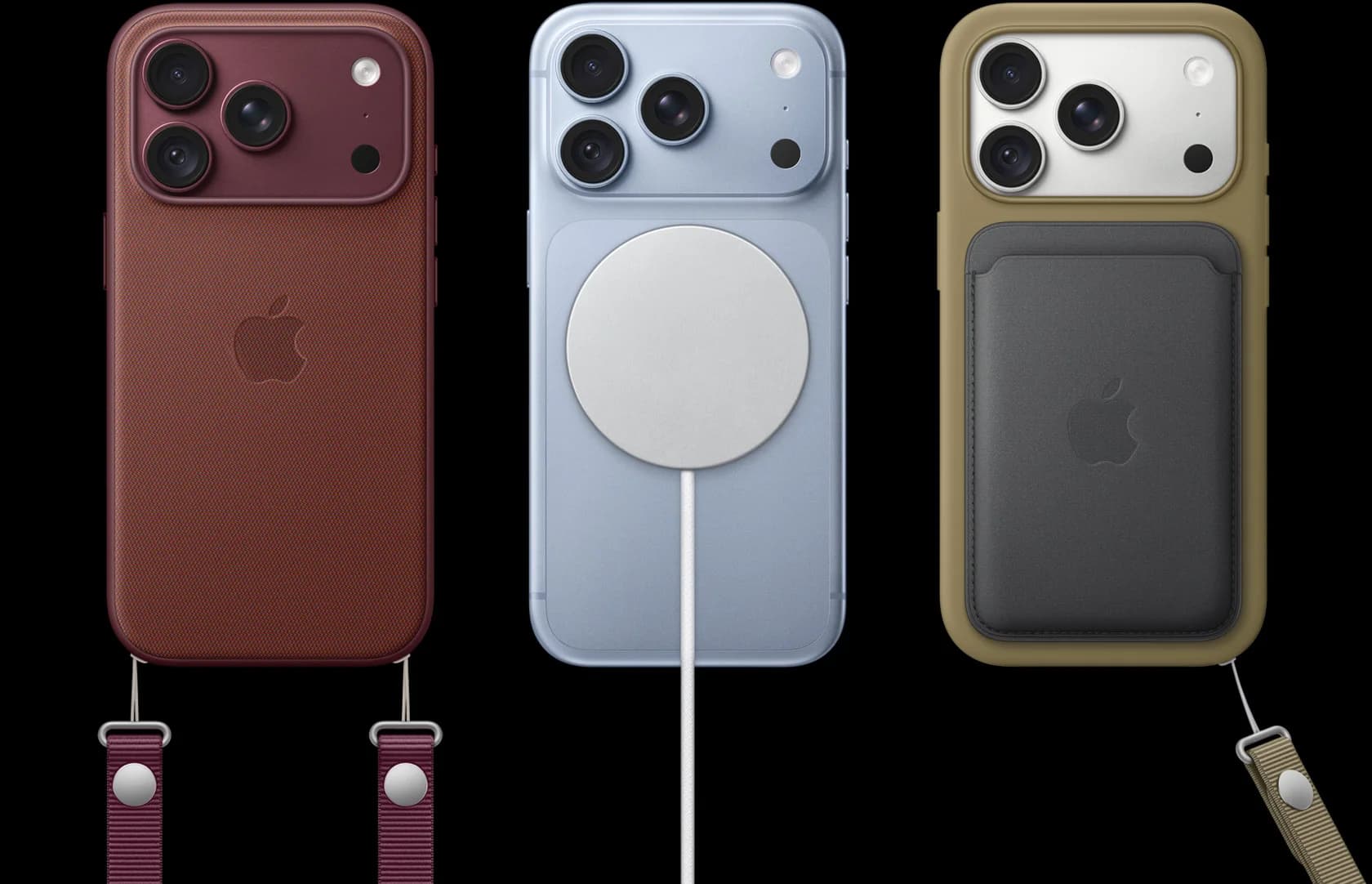
The 48MP Fusion Main camera now has a physically variable aperture. Six moving aperture blades change how much light reaches the sensor and how much of the scene remains in focus before computational processing is applied.
There are four primary positions:
ƒ/1.48 – Lets in more light for darker scenes.
ƒ/1.8 – Balances light intake and depth of field, including for portraits.
ƒ/2.8 – Keeps a larger area of the scene in focus.
ƒ/4.0 – Keeps more subjects sharp, including in group photos.
The camera can adjust the aperture automatically, but Apple's professional controls also allow manual selection. Users can adjust shutter speed and white balance and check exposure through a histogram.
Variable aperture is the biggest physical camera change on the iPhone 18 Pro compared with the 17 Pro. Apple is not simply increasing the megapixel count – it is adding a mechanical way to control light before software processing takes over.
All Three Rear iPhone 18 Pro Cameras Are 48MP
The iPhone 18 Pro has three 48MP rear cameras: Fusion Main, Fusion Ultra Wide and Fusion Telephoto. The telephoto system delivers 4x and 8x optical-quality zoom.
The front camera is an 18MP Center Stage sensor. Professional video features remain a major part of the Pro lineup, and Cinematic effects can now be applied after recording at frame rates up to 60 fps.
Owners of the iPhone 17 Pro should note that three 48MP cameras and 8x optical-quality zoom were already part of the previous generation. Those numbers alone are not a compelling reason to replace a one-year-old phone.
Apple Reference Image Addresses the AI-Edited Photo Problem
The iPhone 18 Pro introduces Apple Reference Image. In a dedicated mode, the sensor records signed source data from the original capture and creates an immutable reference file.
In Photos, that reference can be compared with an edited version to verify what the camera actually recorded when the image was taken. For photographers, journalists and anyone working with evidentiary images, that could prove more important than another visual filter.
Apple also plans support for SynthID-style identification of AI-generated or AI-edited content.
A20 Pro Is One of the Biggest Internal Upgrades
A20 Pro is built on a 2nm process and delivers 50% more memory bandwidth than A19 Pro. Its new 7-core GPU can be up to 40% faster than the previous generation.
The Neural Engine now consists of two 16-core blocks, providing 32 cores for AI workloads. That matters for on-device Siri AI, computational photography and other Apple Intelligence features.
But the most important practical improvement may not be peak benchmark performance. It may be how long the phone can sustain that performance before heat becomes the limiting factor.
The New Vapor Chamber Is Roughly Three Times Larger
Apple says the area of the new thermal system is approximately three times larger than the vapor chamber in the iPhone 17 Pro. The company claims up to a 40% improvement in sustained performance over the previous generation.
Web browsing, messaging and social media are unlikely to make this the main reason to upgrade. The difference matters far more during long gaming sessions, video editing, heavy photo processing and on-device AI workloads.
iPhone 18 Pro Max Sets a New Apple Battery-Life Record
Apple rates the iPhone 18 Pro Max for up to 45 hours of video playback, while the iPhone 18 Pro reaches up to 36 hours. One important detail is that these maximum figures apply to eSIM-only configurations.
Removing the physical SIM tray gives Apple more room for battery capacity. That distinction matters when comparing specifications across different regional models.
For reference, the previous eSIM-only iPhone 17 Pro Max was rated for up to 39 hours of video playback. On a like-for-like basis, the new Pro Max gains as much as six hours.
iPhone 18 Pro Charging Is Faster, Too
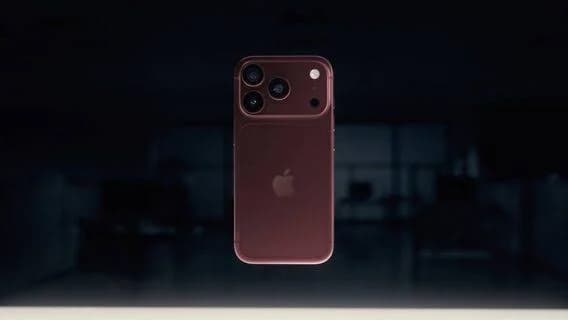
The iPhone 18 Pro can reach approximately 50% charge in 15 minutes with an appropriate wired power adapter. Wireless charging can deliver about 50% in roughly 30 minutes.
On the iPhone 18 Pro Max, five minutes of wired charging can provide approximately seven hours of video playback.
This is one of those Apple Event 2026 upgrades that may be noticeable every day, even for buyers who never use the professional camera controls.
Dynamic Island Is Smaller
Dynamic Island has not disappeared, but Apple made it more compact and more informative. It can now display up to three Live Activities at the same time.
A user could see navigation, music playback and another live event without constantly switching between apps.
Face ID remains standard on the iPhone 18 Pro and Pro Max. That is one of the fundamental differences from the foldable Duo, which relies on Touch ID.
iPhone 18 Pro vs. iPhone 17 Pro – Is the Upgrade Actually Big?
The iPhone 18 Pro does not make the iPhone 17 Pro obsolete after just one year. Several of the previous model's strongest features remain current, but the new generation makes meaningful gains in the main camera, cooling and battery performance.
Feature | iPhone 17 Pro | iPhone 18 Pro |
|---|---|---|
Chip | A19 Pro | A20 Pro, 2nm |
Main camera | 48MP Fusion | 48MP Fusion with variable aperture |
Telephoto | Up to 8x optical-quality zoom | Up to 8x optical-quality zoom |
Front camera | 18MP Center Stage | 18MP Center Stage |
Cooling | Vapor chamber | Redesigned vapor chamber, roughly 3x larger |
Dynamic Island | Standard | Smaller, supports up to 3 Live Activities |
Maximum Pro storage | 1TB | 2TB |
Pro starting price | $1,099 | $1,199 |
Pro Max starting price | $1,199 | $1,299 |
The biggest reasons for an iPhone 17 Pro owner to move to an iPhone 18 Pro are not 8x zoom or 48MP cameras – those were already available. The real changes are variable aperture, A20 Pro, substantially redesigned cooling, faster charging and improved Pro Max battery life.
Pricing also moves up. The iPhone 18 Pro starts at $1,199 and the Pro Max at $1,299, making each model $100 more expensive than its direct predecessor at launch.
How Much Storage Does iPhone 18 Pro Offer, and What Colors Are Available?
Both Pro models are now offered with 256GB, 512GB, 1TB or 2TB of storage. That means the smaller Pro can now be configured with 2TB instead of reserving the highest capacity for the Pro Max.
Apple lists four iPhone 18 Pro colors:
Burgundy.
Glacier.
Silver.
Black.
Burgundy is the most distinctive new finish of this generation. The phone retains an aluminum unibody design with Ceramic Shield 2 on the front and Ceramic Shield on the back.
Siri AI and iOS 27 Are a Major Part of the New iPhones
The iPhone Duo and iPhone 18 Pro ship with iOS 27 and the new Siri AI experience. The assistant can use personal context, understand information shown on the screen and take actions inside supported apps.
That matters particularly on the new iPhones because A20 Pro includes a much more powerful Neural Engine built for on-device AI workloads.
For U.S. buyers, the rollout is more straightforward than in many other regions. Siri AI launches in beta first for English-language devices, putting U.S. English users among the first group able to try the new experience. Support for French, Japanese, Korean, Portuguese and Spanish is scheduled to expand afterward.
As with other Apple Intelligence features, availability can still depend on the device, language, account settings and specific feature.
Apple Watch Series 12 Now Checks Heart Rate Every 5 Seconds
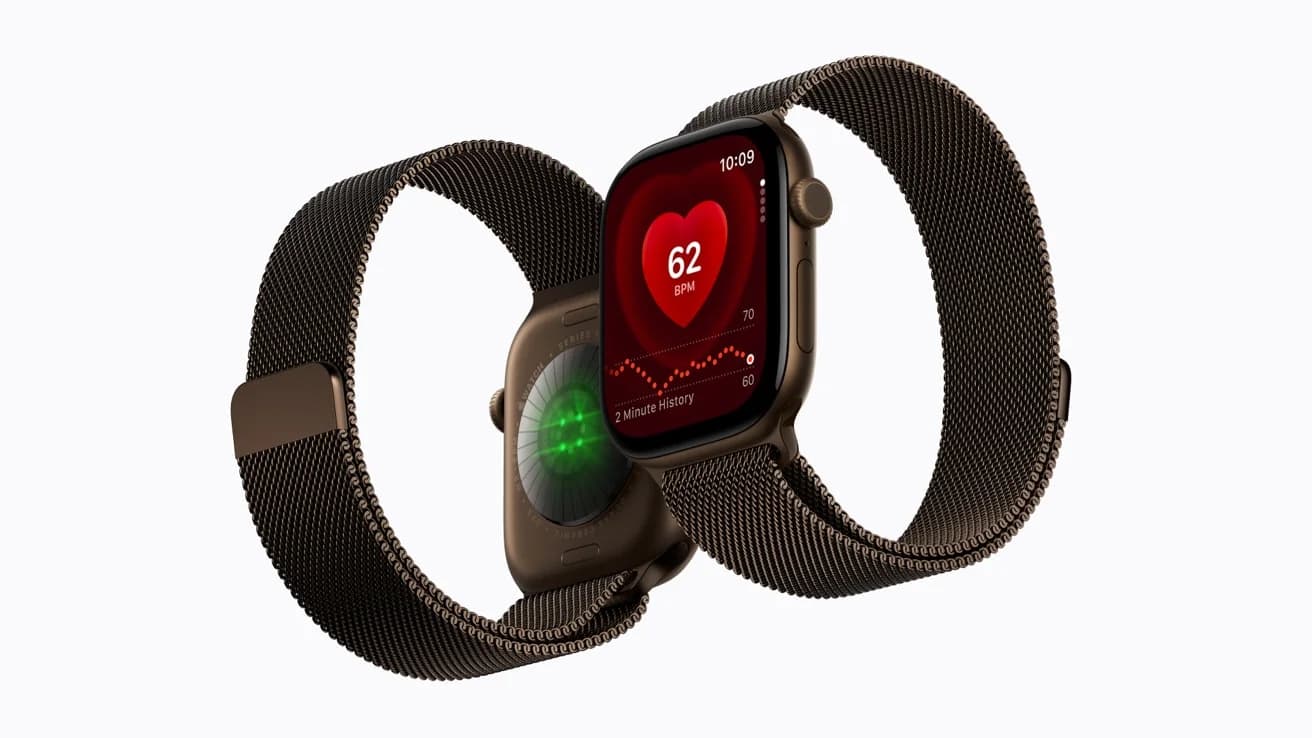
Apple Watch Series 12 introduces the Health Sensing System and the new S11 chip, with health tracking becoming the centerpiece of this year's update. The watch now measures heart rate about every five seconds throughout the day, while heart-rate variability data is collected far more frequently.
That gives the watch more information outside workouts and sleep sessions. The updated Vitals experience can also separate daytime and nighttime measurements.
Apple also adds a readiness score from 0 to 10. It considers recent activity, training load, vital signs and sleep to estimate whether the body appears ready for a demanding workout or would benefit from more recovery.
That score is not a medical diagnosis and does not replace professional medical care. Its value is practical: it helps answer whether today is a good day to push harder or back off.
Apple Watch Series 12 Counts Steps More Accurately
Apple also redesigned its step-counting model. New machine-learning algorithms working with S11 are intended to improve the accuracy of step and distance estimates during walking and running.
A dedicated Steps complication can be placed directly on the watch face, allowing users to check their daily count without opening an app.
That is a notable shift for Apple, which has traditionally emphasized Activity rings more heavily than a conventional daily step counter.
Apple Watch Series 12 Battery Life Is Still 24 Hours
In normal use, Apple Watch Series 12 lasts up to 24 hours, meaning the headline all-day battery rating has not increased over Series 11.
Outdoor workout battery life improves to as much as 10 hours, about 25% longer than before. More importantly, 15 minutes of fast charging can now provide up to 12 additional hours of use, 50% more than the eight hours Series 11 could gain from the same charging time.
So Series 12 does not eliminate daily charging, but it is more convenient for longer workouts and quick top-ups.
The Apple Watch Series 12 Display Is More Durable
Aluminum versions of Series 12 now use Ceramic Shield 2. Apple says the material is 60% more durable than the Ion-X cover glass on the aluminum Series 11.
The watch comes in 42mm and 46mm case sizes. Aluminum finishes include Dark Bronze, Black, Light Gold and Space Gray, while titanium options include Radiant Gold and Natural Titanium. Apple also brings back a ceramic version in Pearl White and Night Blue.
Apple Watch Series 12 starts at $399 in the United States.
Apple Watch Series 12 vs. Series 11 – What Actually Changed?
Apple Watch Series 12 does not double battery life or introduce a completely new design. The biggest changes are inside the watch – the health-sensing system, measurement frequency, charging speed and display durability.
Feature | Apple Watch Series 11 | Apple Watch Series 12 |
|---|---|---|
Case sizes | 42mm and 46mm | 42mm and 46mm |
Normal battery life | Up to 24 hours | Up to 24 hours |
Outdoor workout battery life | Up to 8 hours | Up to 10 hours |
15 minutes of charging | Up to 8 hours of use | Up to 12 hours of use |
Daytime heart rate | Standard measurement system | Approximately every 5 seconds |
HRV | Standard frequency | Much more frequent measurements |
Readiness score | No | Yes |
Health system | Previous sensor generation | Health Sensing System |
Aluminum display protection | Ion-X | Ceramic Shield 2 |
Glass durability | Improved Ion-X | 60% more durable than previous Ion-X |
US starting price | $399 | $399 |
The most important thing to understand is that normal battery life has not increased at all. Both Series 11 and Series 12 are rated for up to 24 hours, so the new generation does not solve the need for regular charging.
The difference becomes more noticeable when charging time is limited. Fifteen minutes gave Series 11 up to eight hours of use, while Series 12 can get up to 12 hours. Outdoor workout battery life also rises from eight to 10 hours.
The strongest reason to choose Series 12 is the Health Sensing System. It collects heart-rate and HRV information more frequently and adds the readiness score. Aluminum models also move from Ion-X to Ceramic Shield 2, which Apple says is 60% more durable than the previous material.
Should a Series 11 owner upgrade to Series 12? If Series 11 is working well and the readiness score or more frequent health data is not important, skipping a generation is reasonable. The design, sizes and standard 24-hour battery rating remain very similar.
Owners of a Series 9, Series 10 or older model have more to gain because the improvements from multiple generations begin to stack up.
Gosta's English site also has a detailed Apple Watch 11 vs. Apple Watch 10 comparison, which is useful for seeing how Apple's smartwatch lineup evolved before Series 12.
Apple Watch Ultra 4 Finally Passes the Two-Day Mark
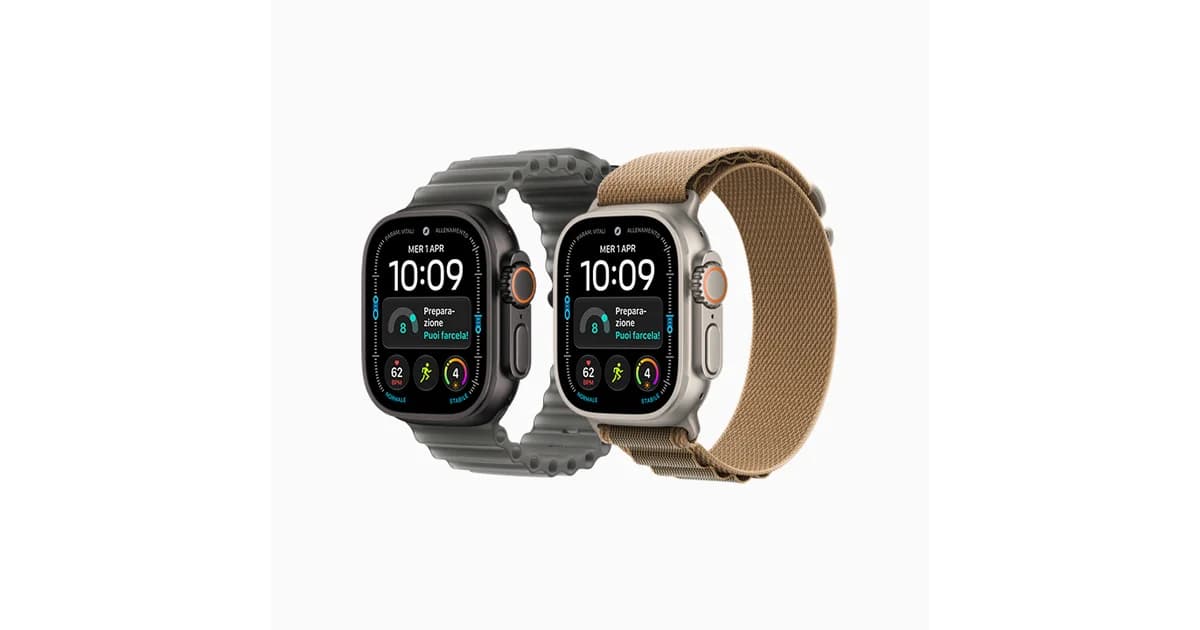
Apple Watch Ultra 4 is rated for up to 50 hours of normal use and up to 84 hours in Low Power Mode. That is one of the most practical upgrades announced at Apple Event 2026.
The previous Ultra 3 offered up to 42 hours in normal use and 72 hours in Low Power Mode. Ultra 4 therefore adds as much as eight hours of standard battery life without increasing the starting price.
Apple Watch Ultra 4 Has Separate Modes for Long Workouts
Extended Workout provides up to 25 hours of use with full GPS and heart-rate measurements. That is 25% longer than the previous model.
Max Extended Workout can record running, walking or hiking sessions for up to 45 hours while GPS continues sampling location every second.
Fifteen minutes of charging can add up to 18 hours of battery life. Ultra 3 provided up to 12 hours from the same amount of charging time.
For ultrarunners, hikers and anyone who regularly spends long stretches away from an outlet, those improvements matter far more than minor cosmetic changes.
Apple Watch Ultra 4 Gets the Same New Health Features as Series 12
Apple Watch Ultra 4 uses the same S11 chip and Health Sensing System. It also gets more frequent heart-rate and HRV measurements and the new readiness score.
Satellite features and 5G, which were already available on Ultra 3, remain. That means the main reasons to move from last year's model are better battery life, faster charging and the new health-tracking system, not an entirely new feature set.
Ultra 4 comes in Natural Titanium and Black Titanium and starts at $799, unchanged from Ultra 3.
Apple Watch Ultra 4 vs. Ultra 3 – Where the Upgrade Matters More
Ultra 4 changes more meaningfully over Ultra 3 than Series 12 does over Series 11. The main reasons are battery life and fast charging, both of which have much greater practical value on a watch built for sports and outdoor use.
Feature | Apple Watch Ultra 3 | Apple Watch Ultra 4 |
|---|---|---|
Normal battery life | Up to 42 hours | Up to 50 hours |
Low Power Mode | Up to 72 hours | Up to 84 hours |
Workout with GPS and heart rate | Up to 20 hours | Up to 25 hours in Extended Workout |
Longest workout mode | Up to 20 hours in corresponding mode | Up to 45 hours in Max Extended Workout |
15 minutes of charging | Up to 12 hours of use | Up to 18 hours of use |
Health system | Previous system, hypertension notifications, Sleep Score | Health Sensing System, more frequent heart rate and HRV, readiness |
Satellite connectivity | Yes | Yes |
5G | Yes | Yes |
US starting price | $799 | $799 |
In normal use, the gain is eight hours – from 42 to 50. Low Power Mode rises from 72 to 84 hours. Those figures may not matter much to someone who charges the watch every night, but they become meaningful on hikes, trail runs, long bike rides and trips where charging is inconvenient.
Short charging sessions improve noticeably as well. Ultra 3 gained up to 12 hours from 15 minutes of charging; Ultra 4 gains up to 18. That is 50% more usable time from the same quick charge.
Ultra 4 also inherits the new Health Sensing System, more frequent heart-rate and HRV tracking and readiness. Satellite connectivity, 5G and the large LTPO3 display were already on Ultra 3, so calling Ultra 4 an entirely new watch would be an exaggeration.
Should Ultra 3 owners upgrade to Ultra 4? Not everyone needs to. But for athletes, hikers and users who regularly run down an Ultra 3 battery, it is one of the most practical upgrades from Apple Event 2026.
It is also important that Apple kept the same $799 starting price.
Readers still deciding which type of watch fits them best can also see Gosta's Apple Watch vs. Samsung Galaxy vs. Garmin smartwatch guide.
AirPods 5 May Be the Best-Value Upgrade From Apple Event 2026
AirPods 5 now include active noise cancellation in the base model for $129. That is especially notable compared with AirPods 4: the previous $129 base version did not include ANC, while AirPods 4 with active noise cancellation cost $179.
In practical terms, Apple lowered the entry price for ANC by $50 without forcing buyers into the more expensive version.
AirPods 5 Noise Cancellation Is Stronger
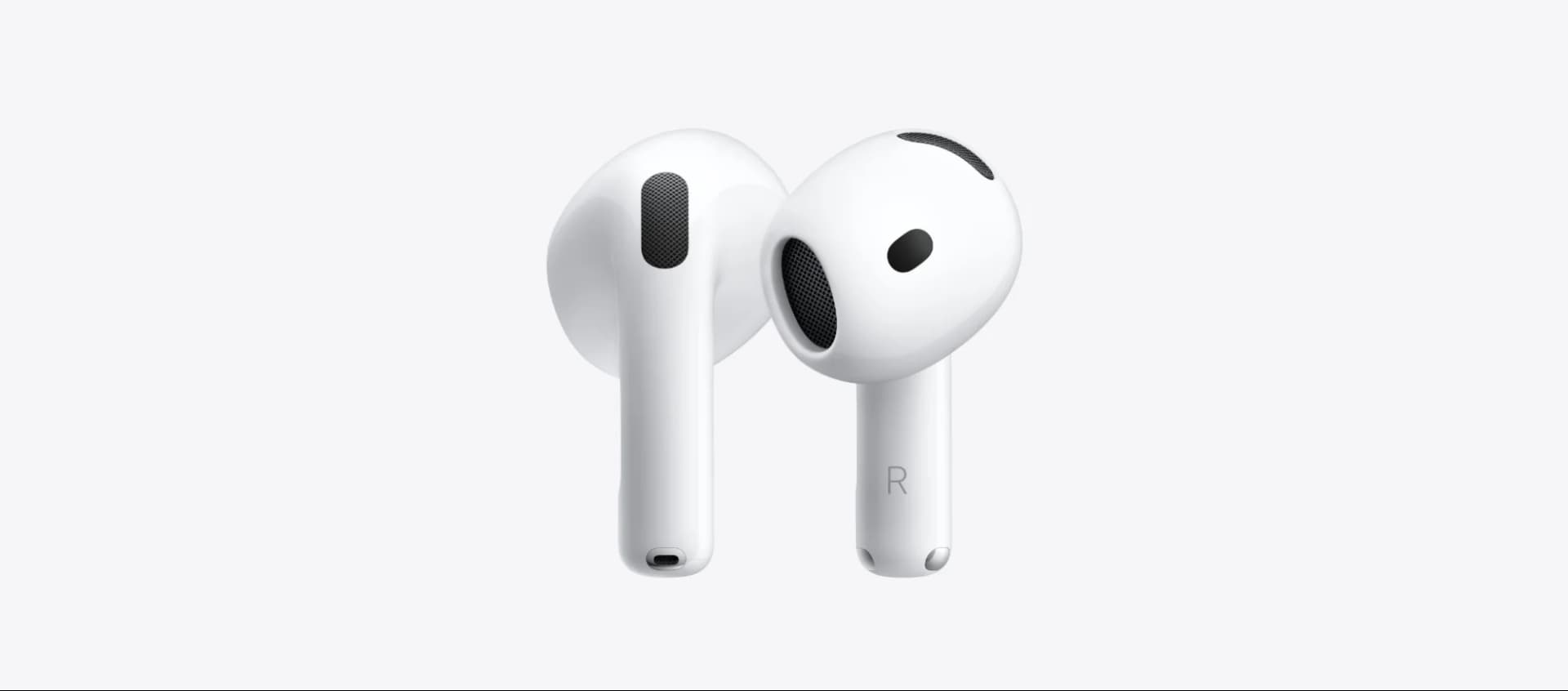
AirPods 5 retain the open-ear design without silicone tips but use a new multiport acoustic architecture and a next-generation version of Adaptive EQ.
Apple says Active Noise Cancellation can reduce up to 50% more external noise than AirPods 4 with ANC. Transparency Mode has also been updated, while Adaptive Audio automatically blends transparency and noise cancellation based on the environment.
Conversation Awareness automatically lowers media volume when the user starts talking to someone nearby.
Why Are There $129 and $149 Versions of AirPods 5?
Apple sells two versions of AirPods 5. The base model costs $129, while AirPods 5 with Wireless Charging Case cost $149.
The more expensive version adds an on-stem sensor for swipe volume control and longer battery life.
With ANC enabled, it can run for up to five hours on a charge, one hour longer than AirPods 4 with ANC. Apple rates total listening time with the case and active noise cancellation at up to 22 hours.
The case supports USB-C, Qi wireless charging and Apple Watch chargers.
AirPods 5 Live Translation Supports Select Languages
AirPods 5 support Live Translation through Apple Intelligence. Once the required language packs are available, translation can be started by voice, through the earbuds or with the iPhone's Action Button.
The feature requires compatible devices, languages and regions. For U.S. buyers, English support makes the feature more immediately relevant than in markets where the local language is not available at launch, though not every language pair will be supported from day one.
ANC, audio quality, battery life and the core AirPods experience do not depend on Live Translation, so the earbuds' main upgrades remain useful even if a specific language is unavailable.
AirPods 5 vs. AirPods 4 With ANC – The New Model Is Better and Cheaper
AirPods 5 look like one of the strongest value upgrades from Apple Event 2026. The fairest direct comparison is the $149 AirPods 5 with Wireless Charging Case against AirPods 4 with Active Noise Cancellation, since the regular $129 AirPods 4 did not have ANC at all.
Feature | AirPods 4 With ANC | AirPods 5 With Wireless Charging Case |
|---|---|---|
Design | Open-ear, no silicone tips | Open-ear, no silicone tips |
Active Noise Cancellation | Yes | Yes, up to 50% more effective |
Transparency Mode | Yes | Updated for more natural outside sound |
Adaptive Audio | Yes | Yes |
Conversation Awareness | Yes | Yes |
Acoustic system | Previous architecture | New multiport acoustic architecture |
Adaptive EQ | Previous generation | Next generation |
Battery with ANC | Up to 4 hours | Up to 5 hours |
Battery with case and ANC | Up to 20 hours | Up to 22 hours |
Swipe volume control on stem | No | Yes |
Wireless case charging | Yes | Yes |
Live Translation | Supported with compatible devices | Supported with compatible devices |
US price | $179 | $149 |
Cheapest new-generation option | – | AirPods 5 with ANC for $129 |
The most important change may not be battery life at all – it is the price. AirPods 4 with ANC launched at $179, while AirPods 5 with Wireless Charging Case cost $149. Even the base $129 AirPods 5 now include active noise cancellation.
In other words, the feature that previously required a $50 upgrade over the base AirPods 4 is now standard. At the same time, Apple says the new ANC can remove up to 50% more external noise than AirPods 4 with ANC. That is both a feature improvement and a lower entry price.
AirPods 5 with Wireless Charging Case last up to five hours with ANC instead of four hours on AirPods 4 with ANC. Total listening time with the case rises to 22 hours, and the stem now supports swipe-based volume control.
Apple also redesigned the acoustic system with a new multiport architecture and next-generation Adaptive EQ. Independent listening tests will be needed to judge the actual sound signature, but this is clearly more than AirPods 4 with a new number.
Should AirPods 4 with ANC owners upgrade to AirPods 5? It depends on the condition of the current earbuds. If the AirPods 4 are relatively new and their batteries are still healthy, replacement is not essential. Stronger ANC, an extra hour of battery life and stem-based volume control do make AirPods 5 meaningfully better, though.
For owners of regular AirPods 4 without ANC, AirPods 3 or anything older, the case for upgrading is much stronger. AirPods 5 now deliver ANC at the same $129 starting price as the previous base model.
Apple Event 2026 Prices – How Much the New Products Cost in the US
Apple's U.S. pricing shows how the company is positioning the new lineup. The iPhone 18 Pro family moves higher, while AirPods make ANC accessible at a lower price.
Device | US Starting Price | AirPods 5 |
|---|---|---|
$129 | AirPods 5 with Wireless Charging Case | $149 |
Apple Watch Series 12 | $399 | Apple Watch Ultra 4 |
$799 | iPhone 18 Pro | $1,199 |
iPhone 18 Pro Max | $1,299 | iPhone Duo |
These are Apple's U.S. starting prices before applicable sales tax. Final cost depends on the buyer's state and locality, storage configuration, cellular options where applicable and any accessories or AppleCare coverage added to the purchase.
The biggest smartphone pricing change is straightforward: the iPhone 18 Pro and Pro Max each cost $100 more than their predecessors at launch. AirPods move in the opposite direction, with ANC now available at the same $129 entry price as last year's basic AirPods.
Which Apple 2026 Products Are Actually Worth Upgrading To?
Not every product announced at Apple Event 2026 is equally compelling for someone who already owns last year's hardware. The answer depends heavily on what device is being replaced.
If you have an iPhone 17 Pro. The strongest reasons to buy the 18 Pro are the variable aperture, A20 Pro, improved cooling, faster charging and better battery life. Three 48MP cameras and 8x optical-quality zoom are not new by themselves.
If you have an iPhone 15 Pro, 16 Pro or something older. The cumulative difference is much larger. Several generations of camera, performance, battery, cooling and AI improvements can make the iPhone 18 Pro feel like a much more meaningful upgrade.
If you want the iPhone Duo. It is not simply the answer to "what is the best iPhone?" Duo is primarily for buyers who want the large foldable display, Split View and an entirely different form factor. The Pro Max remains more versatile as a camera.
If you have an Apple Watch Series 11. Moving to Series 12 for battery life alone is difficult to justify because both are rated for 24 hours of normal use. Health Sensing System, readiness and faster charging are the bigger reasons.
If you have an Apple Watch Ultra 3. Ultra 4 adds up to eight hours of normal battery life, charges faster and gets the new health system. For active users, that is a more noticeable upgrade.
If you have base AirPods 4. AirPods 5 may be one of the easiest upgrades to understand because ANC now comes with the same $129 entry price.
The iPhone Duo is the biggest technological departure of Apple Event 2026, but the most sensible purchase still depends on what Apple hardware you already own and which new feature you will actually use.
What Apple Event 2026 Means for US Buyers
For U.S. buyers, pricing, eSIM and Apple Intelligence are particularly important parts of the 2026 lineup. Apple's advertised prices are clear, but state and local sales tax can push the final checkout total higher.
The iPhone Duo's complete reliance on eSIM should feel familiar to buyers of recent U.S. iPhones, though carrier compatibility still matters for prepaid plans, international travel and people who switch networks frequently.
The U.S. also has an early advantage with Siri AI because the beta rollout begins with English-language devices. That makes Apple's AI upgrades more immediately useful to American buyers than to customers in markets waiting for local-language support.
The core hardware improvements remain the same regardless of software rollout: iPhone 18 Pro has the new camera system, Duo has the large foldable display, Ultra 4 lasts longer, Series 12 collects more health data and AirPods 5 include ANC at the base price.
What Was the Biggest Product From Apple Event 2026?
The clear centerpiece of Apple Event 2026 is the iPhone Duo. For the first time in years, Apple did not simply refine the conventional iPhone shape – it created a separate iPhone format with two screens, new multitasking options and a completely different mechanical design.
But the most expensive product is not automatically the best purchase. The iPhone 18 Pro has a more versatile camera system, Apple Watch Ultra 4 delivers a practical battery improvement, and AirPods 5 bring ANC into a much lower price tier.
The biggest takeaway from Apple Event 2026 is simple: this year's lineup contains several changes that genuinely affect how the devices are used, rather than upgrades built only around a new model number.
The real question is which one matters enough to justify buying new hardware.
Apple Event 2026 FAQ
What Did Apple Announce at Apple Event 2026?
Apple announced the iPhone Duo, iPhone 18 Pro and iPhone 18 Pro Max, Apple Watch Series 12, Apple Watch Ultra 4 and AirPods 5. The first foldable iPhone Duo was the biggest new product.
When Was Apple Event 2026?
Apple Event 2026 took place on September 9, 2026. Apple published the official specifications for its new devices the same day.
How Much Does the iPhone 18 Pro Cost?
The iPhone 18 Pro starts at $1,199 in the United States, while the iPhone 18 Pro Max starts at $1,299. Applicable sales tax is added depending on where the device is purchased.
When Does the iPhone 18 Pro Go on Sale?
iPhone 18 Pro and iPhone 18 Pro Max preorders open on September 12, with retail availability beginning September 18, 2026.
How Much Does the Foldable iPhone Duo Cost?
The iPhone Duo starts at $1,999 with 256GB of storage in the United States. Apple also offers 512GB, 1TB and 2TB configurations.
What Size Displays Does the iPhone Duo Have?
The cover display measures approximately 5.4 inches, while the internal foldable screen measures 7.6 inches. Both are Super Retina XDR displays with ProMotion.
Does the iPhone Duo Have Face ID?
No. The iPhone Duo uses Touch ID built into the side button for biometric authentication.
Does the iPhone Duo Have a Physical SIM Slot?
No. The iPhone Duo is eSIM-only worldwide and does not include a physical SIM tray.
What Is the Difference Between iPhone 18 Pro and iPhone 17 Pro?
The main upgrades are a 48MP main camera with variable aperture, the 2nm A20 Pro chip, a substantially larger cooling system, a smaller Dynamic Island, faster charging and improved battery life.
How Long Does Apple Watch Ultra 4 Last?
Apple rates Apple Watch Ultra 4 for up to 50 hours of normal use and up to 84 hours in Low Power Mode.
How Much Do AirPods 5 Cost?
Base AirPods 5 cost $129 in the United States, while AirPods 5 with Wireless Charging Case cost $149.
Do AirPods 5 Have ANC?
Yes. Active Noise Cancellation is now included even on the $129 base AirPods 5. Apple says the new ANC can reduce up to 50% more outside noise than AirPods 4 with ANC.
Is Siri AI Available in the United States?
Yes. Siri AI is launching in beta first on English-language supported devices, making U.S. users part of the initial rollout. Availability of individual features can still depend on device compatibility, settings and language.
Best of the week — in your inbox
No spam. Only top Gosta stories. Unsubscribe in one click.
Comments