
What to Do With Old Apples: 12 Easy Recipes Besides Apple Pie
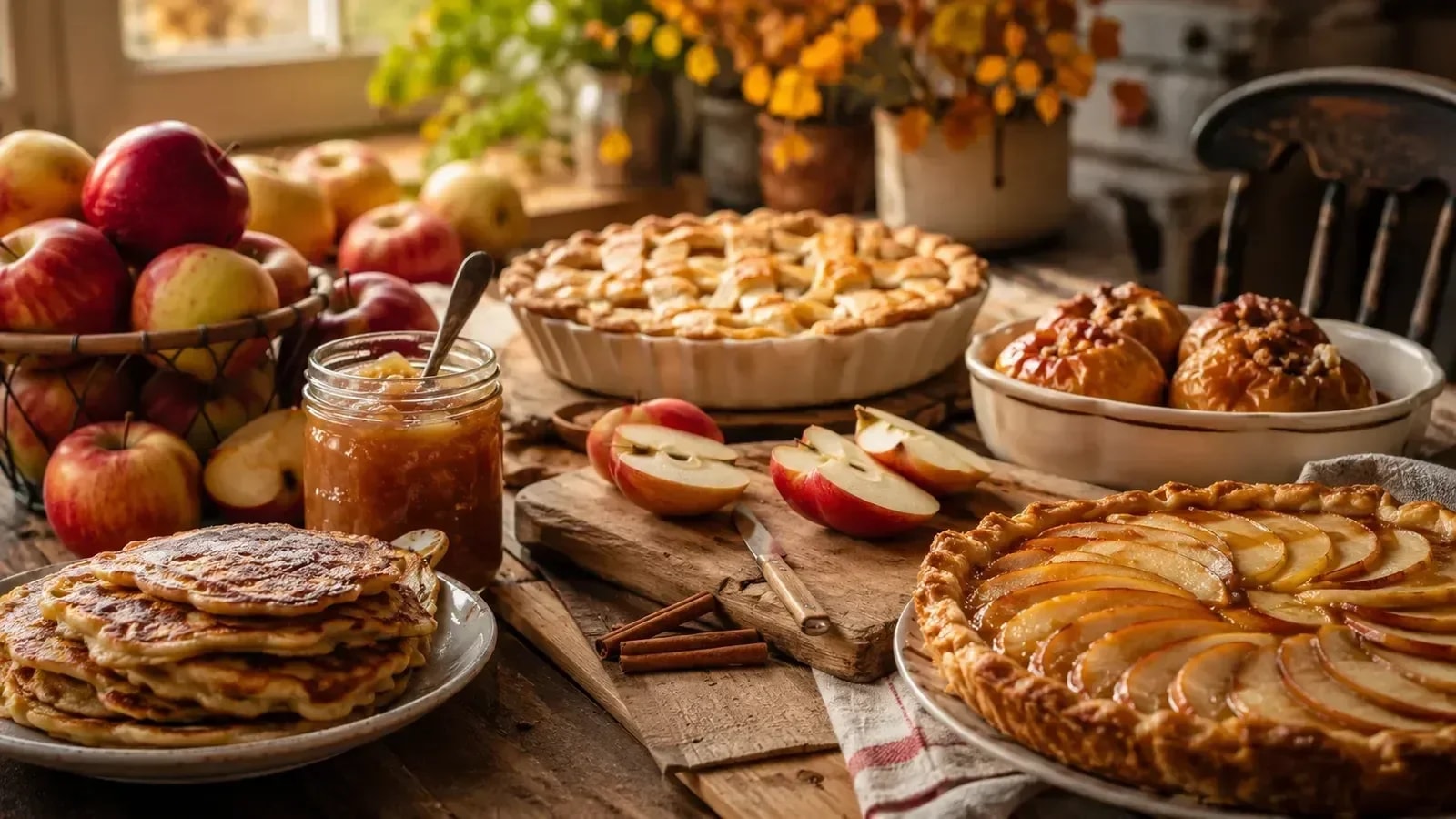
If you are wondering what to do with old apples, the good news is that apples that have become slightly soft, wrinkled, or less crisp are often better for cooking than for eating raw. Their texture matters much less once they are baked, grated, simmered, or turned into a sauce. The key is to separate merely tired fruit from spoiled fruit: use apples that still smell fresh and have no mold, fermentation, deep rot, or leaking flesh.

Contents14
- What to do with old apples: quick options first
- Apple crumble — the easiest baking without dough
- Open galette with apples
- Grated cake with apples
- Quick strudel with apples
- Tarte Tatin — apples in caramel
- Baked apples with cheese and nuts
- Cottage-cheese pancakes with apples
- Apple fritters in 25 minutes
- Baked oatmeal with apples
- Apple sauce for chicken or turkey
- Salad with apple, cheese, and nuts
- Apple chutney — if there are really a lot of apples
- Which apples are better for baking
If you are wondering what to do with old apples, the good news is that apples that have become slightly soft, wrinkled, or less crisp are often better for cooking than for eating raw. Their texture matters much less once they are baked, grated, simmered, or turned into a sauce. The key is to separate merely tired fruit from spoiled fruit: use apples that still smell fresh and have no mold, fermentation, deep rot, or leaking flesh.
Below are 12 practical recipes besides apple pie, from a five-minute crumble filling to chutney that can use a large bowl of apples at once. Most work with ordinary supermarket apples and do not require pastry skills.
What to do with old apples: quick options first
Old apples are easiest to use in recipes where the fruit is chopped, grated, or cooked until soft. If you have only two or three apples, make fritters, baked oatmeal, cottage-cheese pancakes, or a quick salad. If you have a larger bag, crumble, galette, strudel, apple sauce, and chutney use more fruit at once.
Before cooking, wash the apples and cut them open. Small bruises can be removed generously with a knife. Discard apples with visible mold, a fermented smell, extensive brown rot, or unusually slimy flesh. Do not try to rescue a moldy apple by cutting only the visible spot away.
For most baking recipes, 1 medium apple weighs roughly 150–200 g before trimming. That makes it easy to scale recipes without measuring every piece precisely.
Recipe | About | Best for |
|---|---|---|
Apple crumble | 45 min | very soft fruit |
Open galette | 1 hr | firmer slices |
Grated cake | about 1 hr 10 min | lunchbox dessert |
Quick strudel | 45 min | ready-made pastry |
Tarte Tatin | 1 hr | weekend dessert |
Baked stuffed apples | 40 min | fruit that still stands |
Cottage-cheese pancakes | 30 min | breakfast |
Apple fritters | 25 min | fastest dessert |
Baked oatmeal | 50 min | meal prep |
Apple sauce for poultry | 30 min | savory dinner |
Apple, cheese and nut salad | 15 min | crisper leftover fruit |
Apple chutney | about 1 hr 10 min | a large bag of apples |
Apple crumble — the easiest baking without dough
Crumble is the first choice when you want dessert without rolling dough. Soft older apples break down into a thick filling; if the fruit is very juicy, mix one teaspoon of cornstarch into the apples before baking.
Ingredients
Instructions
- Heat the oven to 190°C/375°F.
- Core and slice the apples. Peel them only if the skins are tough.
- Toss with lemon juice, sugar, and cinnamon and place in a baking dish.
- Rub flour, oats, butter, sugar, and salt together until crumbly.
- Scatter the topping over the apples without pressing it down.
- Bake for 30–40 minutes, until the filling bubbles and the top is golden.
Open galette with apples
A galette gives you the flavor of pastry without the precision of a tart pan. Flour or ground almonds under the fruit absorb excess juice.
Ingredients
Instructions
- Roll the dough into a rough 30 cm circle and leave a 4–5 cm border.
- Sprinkle the center with flour or ground almonds, then arrange thin apple slices over it.
- Add sugar, lemon, and cinnamon.
- Fold the border over the fruit in loose pleats and brush the edge if using egg or milk.
- Bake at 200°C/400°F for about 35–45 minutes.
- Let the galette cool for at least 15 minutes before slicing so the filling can thicken.
Grated cake with apples
Grated cake is useful when you want a firmer, lunchbox-friendly dessert. A chilled shortcrust dough is divided: one piece forms the base and the other is grated over the filling.
Ingredients
Instructions
- Rub or pulse the flour, butter, sugar, baking powder, and salt until crumbly, then add the egg and bring the dough together.
- Chill for 30 minutes.
- Press about two-thirds into a lined 20 × 30 cm pan.
- Squeeze only obviously excessive juice from the grated apples, mix with lemon and cinnamon, and spread over the base.
- Grate the remaining cold dough on top.
- Bake at 180°C/350°F for 35–45 minutes. Do not overwork the dough; a light crumb is the point.
Quick strudel with apples
For the fastest version, use ready-made puff pastry or thin filo rather than traditional stretched strudel dough. Breadcrumbs absorb apple juice and keep the base from becoming soggy.
Ingredients
Instructions
- Combine the sliced apples with sugar, cinnamon, raisins if using, and breadcrumbs.
- With puff pastry, place the filling along the center, fold or roll the pastry around it, and seal the edge.
- Cut several steam vents.
- With filo, brush several sheets lightly with melted butter, layer them, add the filling, and roll carefully.
- Bake according to the pastry package directions, usually around 200°C/400°F.
- Cool before dusting with powdered sugar.
Tarte Tatin — apples in caramel
Tarte Tatin looks impressive but needs only apples, caramel, and pastry. Choose apples that keep some structure; if they are already very soft, cut larger pieces and shorten the stovetop time.
Ingredients
Instructions
- Use a 22–24 cm oven-safe skillet. Melt the sugar with the butter over medium-low heat until the mixture begins to caramelize.
- Arrange peeled apple halves or thick quarters tightly in the pan.
- Cook gently for about 10 minutes.
- Cover with a circle of puff pastry, tucking the edges inward.
- Bake at 190°C/375°F for 30–35 minutes.
- Let the tart rest for 5–10 minutes, place a large plate over the skillet, and invert carefully because the caramel is extremely hot.
Baked apples with cheese and nuts
Baked stuffed apples are a simple way to use fruit that is still firm enough to stand upright. For a savory version, skip the honey and add thyme and black pepper.
Ingredients
Instructions
- Core the apples without cutting through the bottom.
- Mix the cheese with walnuts, honey or sugar, vanilla, and cinnamon.
- Fill the apples and place them in a small baking dish with a few tablespoons of water.
- Bake at 180°C/350°F for 25–40 minutes depending on size and firmness.
- The apples should be tender when pierced but should not collapse completely.
Cottage-cheese pancakes with apples
Small pan-fried cottage-cheese pancakes similar to Ukrainian syrnyky. One old apple is enough to make an ordinary breakfast taste seasonal. Do not use too much flour or the cakes become dense.
Ingredients
Instructions
- Mix the cottage cheese with the egg, flour, sugar, and grated apple. If the apple is very juicy, squeeze it lightly before mixing.
- Add vanilla or cinnamon if desired.
- Shape small cakes with floured hands.
- Cook in a lightly oiled skillet over medium-low heat for about 3–4 minutes per side, until browned and cooked through.
- Serve with yogurt, sour cream, or a spoonful of applesauce.
Apple fritters in 25 minutes
One of the quickest answers when breakfast or an afternoon snack is needed now. Keep the heat moderate so the inside cooks before the outside becomes too dark.
Ingredients
Instructions
- Whisk the egg with kefir or buttermilk and sugar.
- Stir in flour, baking powder, salt, and grated apples. The batter should be thick enough to hold its shape on a spoon.
- If the fruit releases a lot of liquid, add one extra tablespoon of flour rather than a large handful.
- Cook small spoonfuls in a lightly oiled skillet over medium heat for 2–3 minutes per side.
- Serve immediately while the edges are still crisp.
Baked oatmeal with apples
Baked oatmeal can use three or four apples and works for breakfast meal prep. For softer, older apples, cut the pieces slightly larger so they do not disappear into the oats.
Ingredients
Instructions
- Combine oats, baking powder, cinnamon, and salt.
- In another bowl, whisk milk, eggs, and maple syrup or sugar.
- Add the diced apples and the wet mixture to the oats.
- Pour into a greased baking dish and bake at 180°C/350°F for 35–40 minutes.
- Cool leftovers promptly and refrigerate. Reheat with a splash of milk, or eat cold with yogurt.
Apple sauce for chicken or turkey
A tart-sweet apple sauce works with roast chicken, turkey, pork, baked root vegetables, or grain bowls. Appearance does not matter once the fruit is cooked down.
Ingredients
Instructions
- Cook the onion in butter or oil until soft.
- Add the apples, water or stock, salt, pepper, and thyme.
- Simmer for 15–20 minutes until the fruit is tender.
- Mash for a rustic sauce or blend until smooth.
- Add lemon juice or mustard to sharpen the flavor. If the apples are very sweet, you probably need no added sugar.
Salad with apple, cheese, and nuts
Use the best-looking old apples for salad — slightly wrinkled is fine, but the flesh should still be crisp enough to slice. A sharp cheese balances sweeter fruit.
Ingredients
Instructions
- Combine the apple wedges with greens, cheese, and walnuts.
- Whisk olive oil, lemon juice or vinegar, mustard, salt, and pepper.
- If the apple surface browns quickly, toss the slices with part of the dressing immediately.
- Dress the salad just before serving. Add lentils, chicken, or roasted squash to make a full meal.
Apple chutney — if there are really a lot of apples
The most practical recipe for using a large quantity of fruit. This is a refrigerator recipe, not a shelf-stable canning formula.
Ingredients
Instructions
- Combine all ingredients in a wide pot.
- Simmer gently for 45–60 minutes, stirring more often near the end, until thick and glossy.
- Cool and refrigerate in clean containers.
- Use with cheese, roast poultry, sandwiches, or grain bowls.
Which apples are better for baking
The best baking apples have enough acidity to stay interesting after sugar is added and enough structure to avoid turning completely to puree. Granny Smith, Braeburn, Pink Lady, Jonagold, and many local tart varieties work well.
Old apples do not need to be a "perfect" baking cultivar. Mixing varieties often gives better flavor: one tart apple for brightness and one sweeter apple for aroma.
For crumble and oatmeal, soft fruit is not a problem. For galette and tarte Tatin, firmer apples give cleaner slices. If the apples are extremely mealy, choose recipes where texture is supposed to soften, such as sauce, chutney, fritters, or grated cake.
Do you need to peel apples for baking?
Not always. Thin-skinned apples can be baked with the peel in crumble, oatmeal, fritters, and rustic galette. The peel adds fiber and reduces prep time.
Peel the apples when the skin is thick, waxy, damaged, or likely to separate into tough strips during cooking. Tarte Tatin is usually neater with peeled fruit. Grated fillings can go either way, although peeling creates a smoother texture. If you leave the peel on, wash the fruit thoroughly and trim damaged areas.
How to keep apple filling from getting watery
Apple filling becomes watery when the fruit releases more juice than the dough or topping can absorb. Several small changes solve the problem:
Slice or grate the apples shortly before baking rather than hours ahead.
Add 1–2 teaspoons cornstarch to very juicy filling.
Put breadcrumbs, ground nuts, or a thin layer of flour under galette or strudel filling.
Avoid adding a large amount of sugar too early because sugar draws moisture from fruit.
Let hot baked desserts cool before slicing; the juices thicken as they cool.
Do not squeeze every drop from grated apples unless the recipe specifically needs a dry filling. Some moisture keeps the dessert tender.
Apples and cinnamon — is this combination mandatory?
No. Cinnamon is familiar, but apples also pair with vanilla, cardamom, ginger, nutmeg, lemon zest, orange zest, rosemary, thyme, and even black pepper.
For a cleaner apple flavor, use only vanilla and lemon. For savory recipes, thyme, mustard, sage, or rosemary works better than cinnamon. In chutney, ginger and mustard seeds create a completely different profile. If you use cinnamon, start with less than you think you need.
What to cook if there are a lot of apples
If you have 3–5 kg of apples, prioritize recipes that use fruit by weight rather than one apple at a time. Chutney, applesauce, crumble for a large baking dish, and freezer-ready sliced apples are the fastest options.
Sort the apples first: eat the firmest fruit fresh; use slightly soft but sound apples for baking; use bruised but otherwise good apples immediately after trimming; discard moldy, fermented, or rotten fruit. Then prepare two recipes in parallel — for example, a large pot of sauce and a crumble.
Can apples be frozen?
Yes. Freezing is useful for apples that will later go into cooked dishes.
Peel if desired, core, and slice the apples.
Toss them with a little lemon juice to reduce browning.
Spread in one layer on a tray and freeze until firm.
Transfer to freezer bags or containers and remove excess air.
Frozen apples become softer after thawing, so they are best for crumble, sauce, oatmeal, cakes, and compotes rather than fresh salad. You can often add them to baked recipes without fully thawing; allow a little extra cooking time and watch for added liquid.
The fastest baking with apples — what to choose
Time | Recipe | Why |
|---|---|---|
20–25 min | Apple fritters | no oven and no pastry |
35–45 min | Baked oatmeal | mix in one bowl |
45–55 min | Crumble | very forgiving with soft apples |
about 1 hr | Puff-pastry strudel | looks impressive with ready pastry |
about 1 hr | Galette | rustic shape; no tart pan |
If the apples are already very soft, crumble is the safest baking choice because texture is not expected to stay crisp.
Recipes with apples: what to choose today
If you want one default answer, make crumble. It is forgiving, fast, and uses several apples. Choose fritters for breakfast, baked oatmeal for meal prep, galette or tarte Tatin for a weekend dessert, apple sauce for a savory dinner, and chutney when you need to use a large quantity at once.
The apples do not need to look perfect. They do need to be safe to eat. A little softness or wrinkling is a cooking problem you can solve; mold or rot is a reason to throw the fruit away.
FAQ
What can I do with old apples besides pie?
Make crumble, fritters, baked oatmeal, galette, strudel, tarte Tatin, cottage-cheese pancakes, baked stuffed apples, savory apple sauce, salad, or chutney. Soft apples are especially good for recipes where they are grated or cooked down.
What is the fastest apple dessert?
Apple fritters take about 25 minutes. If you prefer baking, a simple crumble requires only a few minutes of preparation and then bakes unattended.
Do I need to peel apples for baking?
No. Leave thin, pleasant skins on for rustic recipes. Peel apples with tough, waxy, or damaged skin, and peel when you want a smoother filling.
How do I keep apple filling from getting watery?
Use a small amount of cornstarch, breadcrumbs, ground nuts, or flour to absorb juice, and avoid adding lots of sugar long before baking. Let the finished dessert cool before slicing.
Which apples are best for baking?
Tart, aromatic apples that hold some shape are easiest to work with, but mixed varieties work well. Very soft apples are better for crumble, sauce, chutney, and grated fillings.
Can I freeze apples?
Yes. Slice or chop them, freeze in a single layer, then transfer to airtight freezer bags. Expect a softer texture after thawing and use them mainly for cooked dishes.
What savory dishes work with leftover apples?
Apple-onion sauce for poultry, salads with cheese and nuts, roasted root vegetables with apples, grain bowls, and chutney are easy options.
How many of the 12 recipes need pastry skills?
None require advanced pastry skills. Galette and strudel are easiest with ready-made dough, while crumble, oatmeal, fritters, sauce, salad, and chutney use no pastry at all.
What if I have a lot of apples at once?
Sort them, use damaged-but-sound fruit first, and choose high-volume recipes such as chutney, applesauce, crumble, or freezer packs. Do not store bruised apples beside perfect ones for long.
Is cinnamon required?
No. Lemon, vanilla, cardamom, ginger, nutmeg, thyme, rosemary, or mustard can work depending on whether the recipe is sweet or savory.
Best of the week — in your inbox
No spam. Only top Gosta stories. Unsubscribe in one click.
Comments