
Real Mulled Wine – Spices and Secrets That Make It Unforgettable
Discover how to make real mulled wine that warms both body and soul. Which spices to choose and what wine works best – read on to find out the secrets that make the taste truly unforgettable.

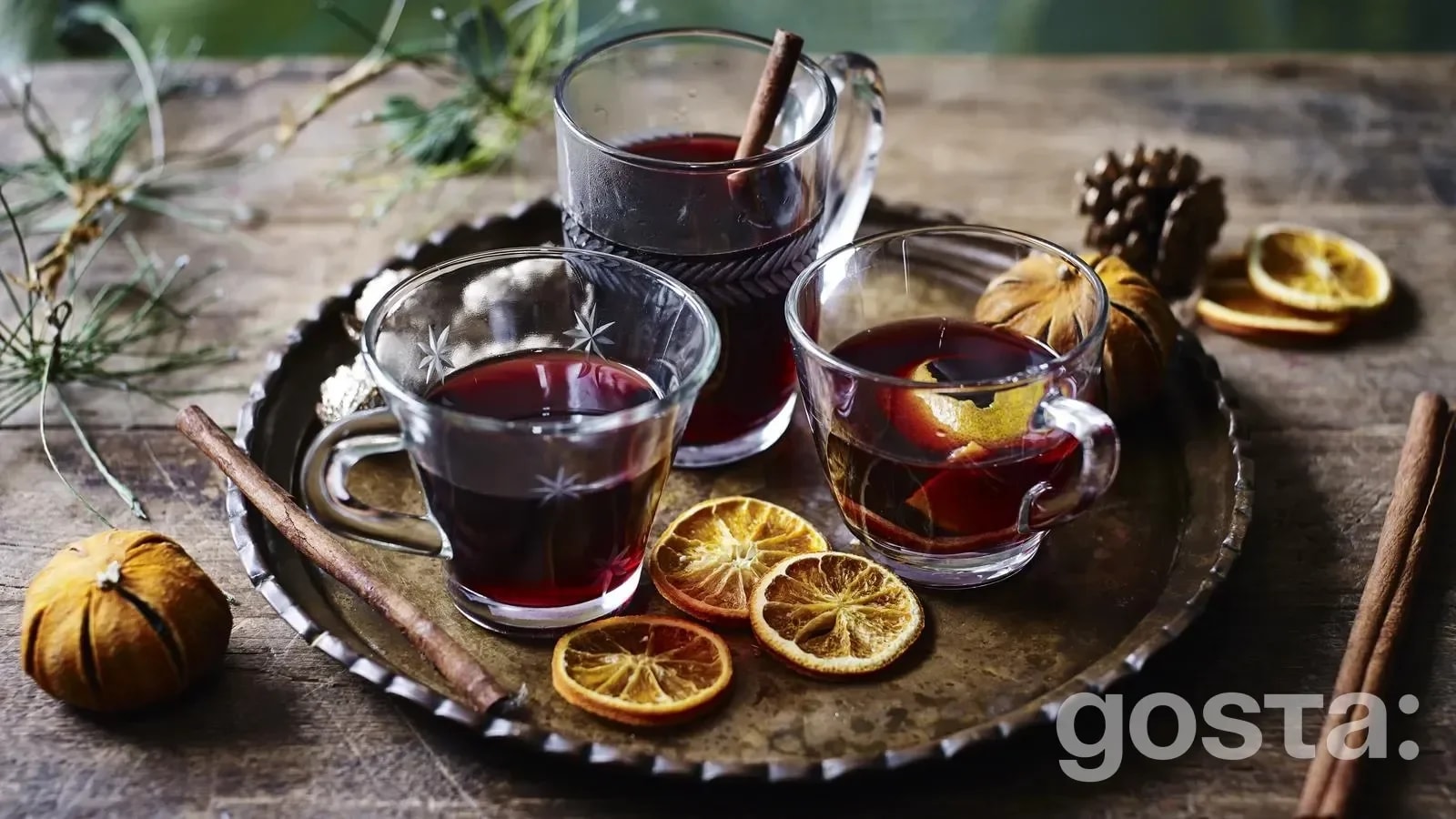
When the air gets chilly and the days grow shorter, mulled wine returns to our kitchens. In winter it is a true symbol of warmth: the aroma fills the home, and the first sip feels like a cozy hug from the inside. The secret is good wine, balanced spices, and a little patience while cooking.
Even the Romans warmed wine with spices. Later the drink spread across Europe; today Germany serves Glühwein at Christmas markets, France makes vin chaud, and Scandinavia adds nuts and raisins to glögg. The idea stays the same — a drink that warms both body and soul.
Start with a dry or semi-dry red around 11–13% alcohol, heat it only to 70–80°C (160–175°F), and never let it boil. The recipe below is one bottle, enough for a small gathering.
Classic mulled wine
Dry red wine warmed with cinnamon, cloves, star anise, citrus, and honey. Heat to 70–80°C without boiling, then rest 10–15 minutes under a lid.
Ingredients
Instructions
- Bring the wine to room temperature; do not pour it straight from the fridge.
- Warm the spices for a minute in a small splash of wine or water so they release aroma without turning bitter, then add them to the pot with the rest of the wine, honey or sugar, and orange slices.
- Heat slowly to 70–80°C (160–175°F). Do not boil — boiling costs both aroma and alcohol.
- Cover and rest 10–15 minutes.
- Strain and serve hot. Add brandy or orange liqueur only after removing from heat. Garnish with a cinnamon stick or orange slice.
What wine and which spices
Avoid sweet wines — when heated they become overly sugary. You do not need an expensive bottle, but it should be decent, without harsh acidity or bitterness. Experts recommend Merlot, Cabernet Sauvignon, or Tempranillo.
The classic spice mix is cinnamon for warmth, cloves for that winter scent, star anise for a light oriental note, nutmeg for gentle spice, cardamom to refresh sweetness, and orange or lemon zest for brightness. Do not dump spices straight into a rolling simmer. Warm them first in a little liquid, then combine. For a festive version, add raisins or apple slices; they soak up the spices and soften the drink.
Germany's Glühwein often includes raisins, almonds, and spices. French vin chaud may use honey, bay leaf, and nutmeg. Scandinavian glögg adds nuts, cardamom, and a splash of brandy or rum. Polish grzaniec is a related warm drink made from beer with orange, honey, and cloves — a different base, same winter idea.
Non-alcoholic mulled wine and how to serve it
Use non-alcoholic wine, or replace it with cherry, apple, or grape juice. Use fewer spices and honey instead of sugar. The result is bright, fragrant, and alcohol-free.
Serve in clear glasses or mugs with handles. Decorate with a cinnamon stick, an orange slice, or a few cranberries. Ginger cookies, cheese, or dried fruit make good snacks. Mulled wine usually lands around 7–10% alcohol because some alcohol evaporates when heated; the exact percentage depends on the wine and how long it is warmed.
FAQ
What do you need to make mulled wine?
Red wine, a mix of spices, and fruit. Usually cinnamon, cloves, orange, and a little honey or sugar. The key is not to boil it, so the flavor and aroma stay rich.
Who shouldn't drink mulled wine?
Mulled wine isn't recommended for pregnant women or people with heart or liver issues. It is also not suitable for children or anyone taking medication that does not mix with alcohol. Even small amounts can cause high blood pressure or dizziness.
How strong is mulled wine?
Mulled wine usually contains about 7–10% alcohol. Some alcohol evaporates when heated, which makes the drink softer. The exact percentage depends on the wine and how long it is heated.
What wine is best for mulled wine?
A dry or semi-dry red around 11–13% alcohol, such as Merlot, Cabernet Sauvignon, or Tempranillo. Avoid sweet wines; they become cloying when heated.
Can I make mulled wine without alcohol?
Yes. Use non-alcoholic wine or cherry, apple, or grape juice, fewer spices, and honey instead of sugar.
Best of the week — in your inbox
No spam. Only top Gosta stories. Unsubscribe in one click.
Comments